





Dead Rails has recently started appearing more frequently in gaming discussions, particularly among players who favor disciplined, high-tension survival experiences. Without major marketing campaigns or flashy announcements, the game’s growing visibility is being driven almost entirely by community discussion, streaming exposure, and word-of-mouth recommendations. This quiet rise has positioned Dead Rails as a title worth watching in the survival genre.
This news article focuses on why Dead Rails is trending now, what is driving renewed interest, and how the game is being positioned within the broader survival game landscape.
1. Increased visibility through streamer and YouTube coverage
One of the biggest drivers behind Dead Rails’ recent attention is increased exposure from content creators. Streamers focusing on hardcore or roguelike survival games have showcased Dead Rails’ punishing but fair design, sparking curiosity among viewers.
These streams often highlight:
- High-tension decision-making moments
- Runs lost due to small mistakes
- Slow, methodical progression
This kind of content resonates strongly with audiences tired of overly forgiving survival systems.
 2. Community discussion around “fair difficulty”
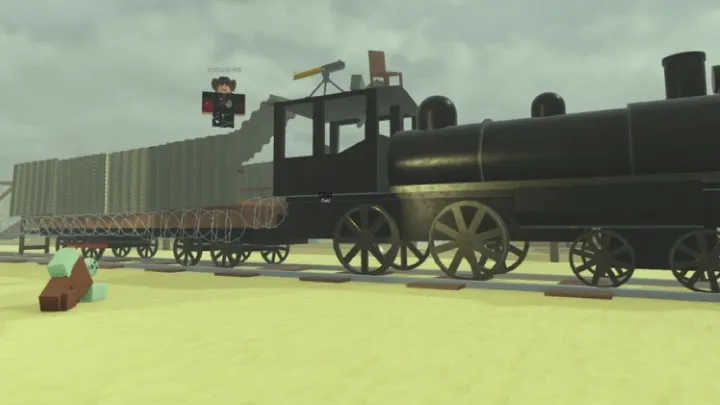
Dead Rails has become a reference point in discussions about what players call “fair difficulty.” Instead of relying on sudden difficulty spikes or unpredictable deaths, the game is praised for making failure traceable to player decisions.
Forum threads and social media posts frequently analyze:
- Where runs begin to collapse
- How small resource mistakes compound
- Why patience outperforms aggression
These conversations keep the game circulating in strategy-focused communities.
3. Growing appeal among roguelike and survival fans
As more players discover Dead Rails, it is increasingly being compared to classic roguelike survival titles. Its emphasis on repeat runs, learning through failure, and gradual mastery fits neatly into this space.
Players drawn to:
- High replay value
- Minimal hand-holding
- Skill-based progression
are often recommended Dead Rails by peers, expanding its audience organically.
4. Word-of-mouth reputation as a “hidden gem”
Dead Rails is frequently described as a hidden gem—well-designed, challenging, and underexposed. This label has helped it spread within niche gaming circles where recommendations carry more weight than advertisements.
The perception of discovery adds to its appeal, encouraging players to share the game with others and contribute to its steady growth.
5. Rising number of strategy guides and analysis posts
Another sign of growing interest is the increase in player-created guides, tips, and long-form analysis. When a game inspires this level of discussion, it often indicates depth worth mastering.
These guides commonly focus on:
- Resource efficiency
- Risk management
- Long-term survival planning
Such content keeps Dead Rails relevant between updates or announcements.
6. Comparisons with newer survival releases
Each new survival game release seems to revive comparisons with Dead Rails. Players often contrast its tight systems with more complex but less focused competitors.
In these discussions, Dead Rails is praised for:
- Clarity of mechanics
- Consistent internal logic
- Respect for player decision-making
This comparative framing helps maintain its presence in current gaming conversations.
7. Player-driven challenge runs boosting engagement
Community-created challenge runs have also contributed to Dead Rails’ visibility. These include self-imposed restrictions designed to test mastery and consistency.
Popular challenges include:
- No-heal runs
- Minimal resource runs
- Speed-limited survival attempts
These challenges generate shareable content and encourage deeper engagement.
8. Minimal updates, sustained interest
Despite not relying on frequent updates, Dead Rails continues to attract discussion. This has led to conversations about longevity and whether strong core design can sustain a game without constant content drops.
Dead Rails is often cited as proof that solid fundamentals can carry a game further than frequent but shallow updates.
 9. Growing presence in curated recommendation lists
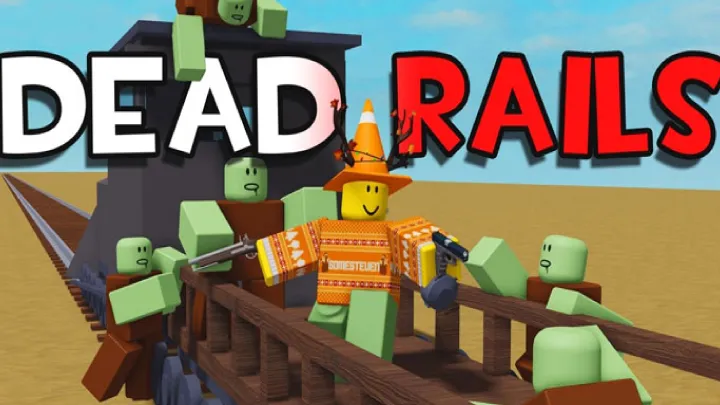
The game has started appearing more often in curated “best survival games” and “underrated titles” lists. These inclusions expose Dead Rails to new players who might otherwise miss it.
This secondary exposure reinforces its image as a quality-focused survival experience.
10. Positioning as a genre benchmark in niche circles
While not yet mainstream, Dead Rails is increasingly viewed as a benchmark within its niche. Players use it as a reference when discussing survival design philosophy and player agency.
This positioning suggests the game’s influence may continue to grow, even without traditional headline-making events.
Conclusion
Dead Rails is gaining momentum not through spectacle, but through substance. Its disciplined survival design, fair difficulty, and strong word-of-mouth reputation have steadily pushed it into wider discussion. As more players seek meaningful challenge and decision-driven gameplay, Dead Rails’ relevance continues to rise. It stands as a reminder that thoughtful design can generate lasting interest without constant noise.